
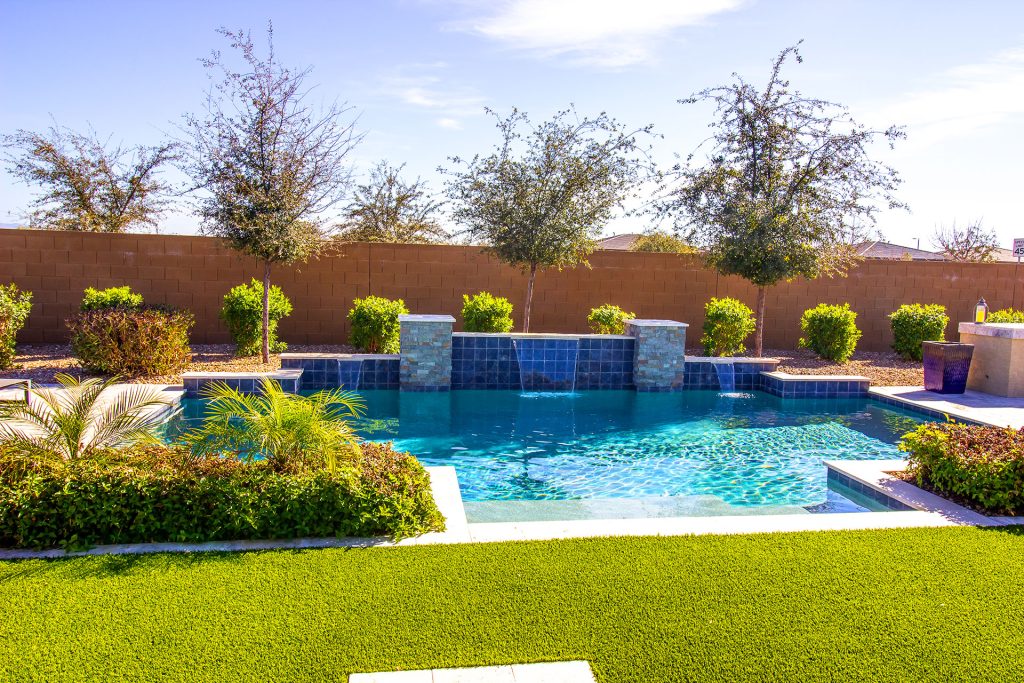
Thinking about taking the plunge and adding a pool to your backyard? You’re not alone. But before you start picturing yourself floating with a cold drink in hand, there’s a big decision to make: what kind of swimming pool actually fits your lifestyle, your yard, and your wallet? Understanding the different types of swimming pools is the first step toward making a choice you won’t regret five summers from now. From sleek lap pools tucked into narrow side yards to sprawling resort-style retreats, the options have exploded in recent years.
Why the Type of Pool You Choose Matters More Than You Think
A swimming pool isn’t just a hole filled with water. It’s a long-term investment that affects your home’s value, your energy bills, your maintenance schedule, and how much joy you actually get out of your outdoor space.
The wrong pool can become a money pit or sit unused half the year. The right one? It transforms your property into the place everyone wants to be. Here’s what you should weigh before falling in love with a specific style:
- Yard size and shape determine what’s physically possible
- Budget for installation and ongoing upkeep
- Climate and how many months you can realistically swim
- Primary use (exercise, family fun, entertaining, relaxation)
- Aesthetic preferences and how the pool fits your home’s style
In-Ground Swimming Pools: The Permanent Backyard Statement
In-ground pools are the gold standard. They’re built into the earth, customized to your space, and they boost property value when done right. Within this category, you’ve got three main construction materials to choose from.
Concrete (Gunite) Pools
Concrete pools are the most customizable option on the market. Builders spray a mixture of concrete and sand over a steel rebar framework, allowing for virtually any shape, depth, or feature you can dream up. Want a vanishing edge that overlooks your view? A tanning ledge with bubblers? A grotto with a waterfall? Concrete makes it possible.
The trade-off is time and money. Installation can take three to six months, and the porous surface requires more chemicals and resurfacing every 10 to 15 years.
Fiberglass Pools
Fiberglass pools arrive as a single, pre-molded shell that gets dropped into a prepared hole. Installation is fast (often under two weeks), and the smooth gel-coat surface resists algae, meaning fewer chemicals and less scrubbing.
You’re limited to manufacturer designs and sizes (typically under 16 feet wide due to transport restrictions), but the durability and low maintenance make fiberglass a favorite for busy homeowners.
Vinyl Liner Pools
Vinyl liner pools use a custom-fit vinyl sheet stretched over a steel or polymer frame. They’re the most budget-friendly in-ground option and offer good flexibility in shape and size.
The catch? Liners need replacement every 7 to 10 years, and they can tear if you’re not careful with pool toys, pets, or pointy objects.
Above-Ground Pools: Affordable, Flexible, and Surprisingly Stylish
Above-ground pools have shed their reputation as the “starter option.” Modern designs come with beautiful decking, lighting, and finishes that rival in-ground installations at a fraction of the cost.
They’re ideal if you:
- Want a pool installed in days, not months
- Live in a rental or plan to move within a decade
- Have a sloped or rocky yard where excavation is expensive
- Want to test pool ownership before going all in
Sizes range from compact 12-foot rounds to oval pools over 30 feet long. With a wraparound deck and good landscaping, an above-ground pool can look every bit as inviting as its in-ground cousins.
Specialty Pool Styles Worth Considering
Lap Pools
Long, narrow, and built for serious swimmers. A typical lap pool runs 40 to 75 feet in length and only 8 to 10 feet wide. They fit into tight side yards where a traditional pool wouldn’t work, and they’re perfect for daily exercise.
Plunge Pools
Small, deep, and incredibly stylish. Plunge pools are designed for cooling off and lounging rather than swimming laps. They’re popular in urban backyards and often double as spas with heating and jets.
Infinity (Vanishing Edge) Pools
The showstopper. One or more edges spill water into a hidden catch basin, creating the illusion that the pool merges with the horizon. They’re best suited for properties with a view, like a hillside or waterfront lot.
Natural Swimming Pools
These chemical-free pools use plants and biological filters to keep water clean. They look like ponds, attract wildlife, and offer a swimming experience closer to a mountain lake than a chlorinated rectangle.
Saltwater Pools
Technically not a separate “type” but a sanitization method. A salt chlorine generator converts salt into chlorine, producing softer water that’s gentler on skin, eyes, and swimsuits. Most in-ground and many above-ground pools can be converted.
Indoor Pools: Year-Round Swimming Without Compromise
If you live somewhere with brutal winters but love to swim year-round, an indoor pool eliminates the seasonal limits. They require serious ventilation, humidity control, and structural planning, but the payoff is a private aquatic retreat available 365 days a year.
Indoor pools tend to be smaller than outdoor versions due to space and cost, and they pair beautifully with hot tubs, saunas, and sunroom-style enclosures.
How Your Pool Fits Into the Bigger Outdoor Picture
A pool rarely lives in isolation. The surrounding hardscape, plantings, lighting, and seating areas determine whether your backyard feels like a true escape or just a wet rectangle surrounded by grass. Before you finalize your pool selection, take a hard look at the entire outdoor footprint, because a thoughtful patio refresh before summer often makes or breaks the finished result.
Coordinated materials, smart traffic flow between the pool deck and dining areas, and proper drainage all play a role in how often you’ll actually use the space.
Comparing Costs at a Glance
Above-GroundLowest upfront cost. Quick install. Shorter lifespan (7-15 years).
Vinyl LinerMid-range price. Liner replacement every 7-10 years adds long-term cost.
FiberglassMid to high upfront. Lowest lifetime maintenance. 25+ year lifespan.
ConcreteHighest cost. Fully customizable. Requires resurfacing every 10-15 years.
Picking the Right Pool for Your Lifestyle
Match your pool to how you’ll actually use it, not to what looks impressive on social media. A family with young kids needs a shallow play area and easy access. A serious swimmer needs length. An entertainer needs deck space and seating zones. A minimalist might love the clean geometry of a plunge pool.
Ask yourself these questions before signing any contracts:
- How many months per year will I realistically swim?
- Who will use the pool most often, and how?
- How much time am I willing to spend on maintenance?
- What’s my total budget, including landscaping and accessories?
- Do I want the pool to be the focal point or blend into a larger outdoor design?
Final Thoughts on Choosing Your Pool
The best swimming pool is the one that fits your life, not the one with the longest feature list. Whether you go with a budget-friendly above-ground setup, a low-maintenance fiberglass shell, or a fully custom concrete masterpiece with infinity edges and waterfalls, the goal is the same: a backyard you can’t wait to come home to.
Take your time, compare options carefully, and think beyond the pool itself to the patio, landscaping, and gathering spaces that surround it. Get those details right and your new pool won’t just add value to your home, it’ll add countless memories to your life.