
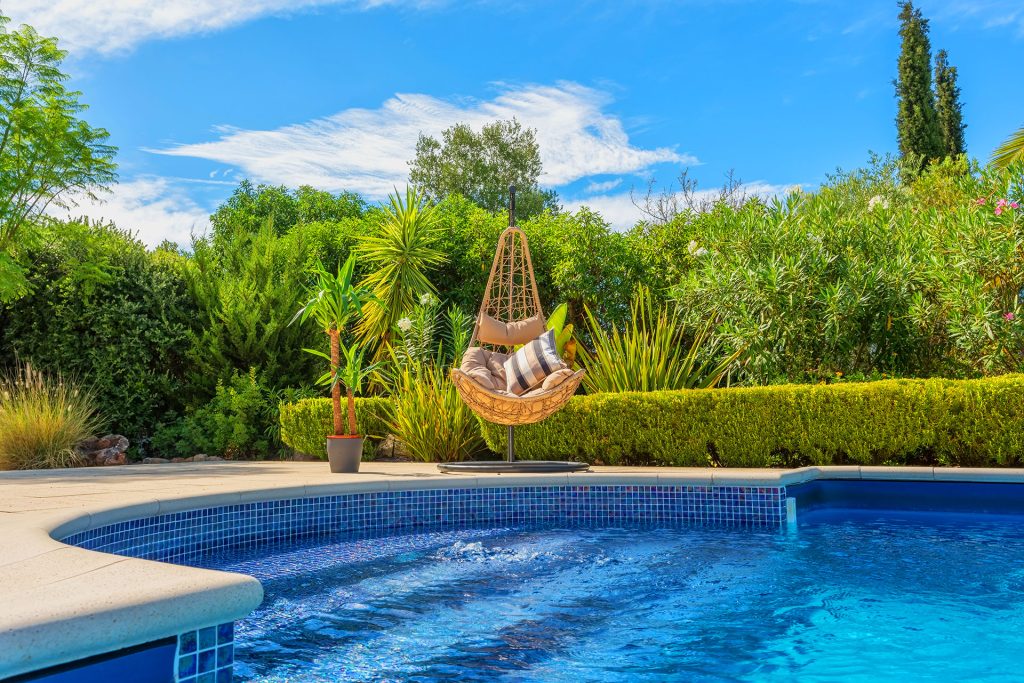
Picture this: a shimmering pool surrounded by lush greenery, soft lighting that dances on the water at dusk, and stone pathways that invite bare feet to wander. That dream backyard does not happen by accident. It is the result of thoughtful landscape design for pool areas that blend beauty, function, and a little bit of magic. Whether you are starting from scratch or refreshing a tired backyard, the right design transforms your pool from a simple water feature into a true outdoor retreat.
What is the best landscape design for a pool?
The best pool landscape design balances safety, privacy, and aesthetics using slip-resistant hardscaping, layered greenery, strategic lighting, and weather-tolerant plants. Prioritize low-maintenance plantings, proper drainage, and seamless transitions between the pool deck and surrounding living spaces for a cohesive, resort-style outdoor escape.
Why Landscaping Around Your Pool Matters
A pool without landscaping can feel like a stage with no scenery. The water is the star, but the surroundings set the mood. Smart landscaping ties everything together and makes the whole space feel intentional.
Beyond looks, good design solves real problems. It controls erosion, manages runoff, and creates privacy from nosy neighbors. It can even reduce debris blowing into the water if you choose your plants wisely.
If you are still on the fence about whether greenery deserves a spot in your budget, the case for combining landscaping and pool design is honestly hard to argue against. The two work hand in hand to elevate both value and enjoyment.
Key Elements of Great Pool Landscape Design
Designing a pool space is part art, part science. You want it to look effortless, but every element should earn its place. Here are the pillars that hold a great design together.
1. Hardscaping and Decking
The deck is where you will spend most of your lounging hours, so material choice matters. Travertine, porcelain pavers, and natural stone all offer that cool-underfoot feel even on hot days.
- Slip resistance: Always pick textured surfaces near water.
- Heat reflection: Lighter tones stay cooler in direct sun.
- Durability: Choose materials that handle chlorine and weather.
2. Planting With Purpose
Plants soften the hard edges of a pool and add that lush, vacation vibe. But not every plant belongs near water. Avoid messy shedders and anything with aggressive roots that could crack your deck.
Go for ornamental grasses, palms, succulents, and tropical foliage that thrive in sun and tolerate splashes. Layer heights for depth, mixing tall accents with low ground cover.
3. Lighting and Ambiance
When the sun goes down, lighting takes over the storytelling. Subtle path lights, submerged pool fixtures, and uplit trees turn an ordinary backyard into something cinematic.
Designing for Privacy and Shade
Nobody wants to feel like they are swimming in a fishbowl. Privacy is one of the most requested features in modern pool projects, and landscaping delivers it beautifully.
Tall hedges, bamboo screens, and pergolas create natural barriers without the cold feel of a fence. Add a shade structure or a few mature trees, and suddenly you have a backyard sanctuary that stays comfortable all afternoon.
Popular Pool Landscape Styles
Your design should reflect your personality and your home’s architecture. A few styles consistently steal the show.
- Tropical paradise: Lush palms, bold foliage, and natural stone.
- Modern minimalist: Clean lines, concrete, and sculptural plants.
- Mediterranean: Terracotta, olive trees, and warm earthy tones.
- Naturalistic: Boulders, native plants, and a swimming-pond vibe.
Low-Maintenance Tips That Save You Time
A gorgeous pool area should not feel like a second job. With a few smart choices, you can keep upkeep light and your weekends free. Install drip irrigation to cut watering chores. Use mulch or gravel beds to suppress weeds. Choose drought-tolerant plants that practically take care of themselves, and your future self will thank you.
Frequently Asked Questions
What plants are safe to put around a pool?
Opt for non-shedding, sun-loving plants like palms, agave, succulents, ornamental grasses, and lily turf. Avoid trees with invasive roots or heavy leaf drop that can clog filters and stain your deck.
How far should plants be from a pool?
Keep larger plants and trees at least three to five feet from the pool edge. This protects your decking from root damage and reduces debris falling directly into the water.
What is the cheapest way to landscape around a pool?
Gravel beds, potted plants, and mulch are budget-friendly options. Container gardening lets you add greenery without major hardscaping costs, and you can rearrange the look whenever you want a change.
Should landscaping be done before or after pool installation?
Plan landscaping alongside your pool design, but install most plants after construction is complete. This prevents damage during heavy machinery work and ensures proper grading and drainage are finalized first.
Final Thoughts
Great landscape design for pool areas is about more than curb appeal. It is about creating a space that feels like a getaway right in your own backyard, balancing beauty with practicality at every turn. Focus on durable hardscaping, purposeful plantings, layered lighting, and thoughtful privacy. Do those things well, and your pool will become the heart of your outdoor living for years to come. Now go make some waves.